If you’ve been in treatment for a while, you’ve probably had this experience. The panic attacks dropped from five a week to one a month. The intrusive thoughts quieted. On paper, you’re better. Your chart says so.
So why does your life still feel so small?
Here’s what often happened: you got good at avoiding. You built a life carefully arranged around not getting triggered. You breathe through it, you take the medication, you ground yourself, you say no to the hard conversation and the big opportunity and the relationship that asks something of you. You’re surviving.
That’s coping. And coping is not nothing — it’s what keeps you standing in a crisis. But it was never meant to be the destination.
The problem with living on coping alone
Coping is defensive. It works by lowering the impact of stress rather than growing your ability to hold it. Think of it as scaffolding propping up a building that hasn’t been reinforced. It holds in ordinary weather. When the storm gets bigger, the scaffolding buckles.
Maybe you have a morning routine that gets you functional — two hours of meditation, journaling, exercise, protein, quiet. It’s genuinely healthy. It’s also rigid. What happens when the baby arrives, or the job changes, or someone you love dies and the morning belongs to grief instead of routine? The tools don’t fail because you did them wrong. They fail because there was no room to execute them, and underneath them nothing had actually changed.
There’s a quieter cost too. When symptom reduction becomes the whole goal, you start to believe that managing your condition is the ceiling — that someone with your history gets to be stable, and stability is the prize. You become the manager of your symptoms instead of the author of your life.
What capacity actually means
Capacity is not about what you can do. It’s about what you can hold.
It’s the expansion of your emotional and nervous system infrastructure so you can experience the full range of being human — grief, conflict, uncertainty, joy that feels dangerous — without fracturing, fleeing, or shutting down.
Coping reacts to what’s coming at you. Capacity grows what’s inside you. Someone with real capacity doesn’t need a perfectly controlled, trigger-free life, because they’re no longer fragile to ordinary friction. The layoff, the hard conversation, the loss — they can feel it in real time, process it, and stay standing. Not because it doesn’t hurt. Because they can hold the hurt.
That’s the shift worth naming: from coping to capacity. It’s a different target entirely.
How to start challenging yourself
Ask a bigger question about your treatment. Not just “are my symptoms down?” but: If I weren’t spending most of my mental energy managing my anxiety, what would I be building instead? If you don’t have an answer, that’s the work — not a failure.
Audit your tools honestly. Coping skills can quietly become avoidance in disguise. If you use box breathing to get through a difficult conversation, that’s regulation. If you use it to not feel angry or sad during that conversation, you’re not building capacity — you’re suppressing information you need. The tool is the same. The function is completely different. Only you know which one you’re doing.
Lean into graduated discomfort. You don’t expand by being protected from friction. You expand by meeting slightly more of it than you’re used to, on purpose, with support. The hard conversation you’ve been deferring. The commitment you’ve avoided because it might ask too much. Discomfort isn’t evidence that something’s wrong — it’s the resistance your system grows against.
Stop treating stability as the finish line. Stability is the floor you build from. It’s where capacity work becomes possible, not where it ends.
A necessary caveat
If you’re in acute crisis right now, this isn’t your assignment. Coping is exactly right when you’re in the middle of a storm, and medication and symptom management are not things to outgrow or feel ashamed of. Many people need both, long-term. Capacity work is what becomes available once you have footing — and it’s work worth doing with support rather than alone.
The real goal
You are not a fragile thing that needs protecting from the world. You’re an adult who is still developing, capable of growing a container big enough for the full, messy, magnificent weight of your own life.
Managing your symptoms was never supposed to be the whole story. It was supposed to get you to the place where you could start writing one.
Ready to work on more than symptoms?
Janae sees patients in person in Redlands and by telehealth anywhere in California. Call 909-798-6200 or reach out through the contact form.
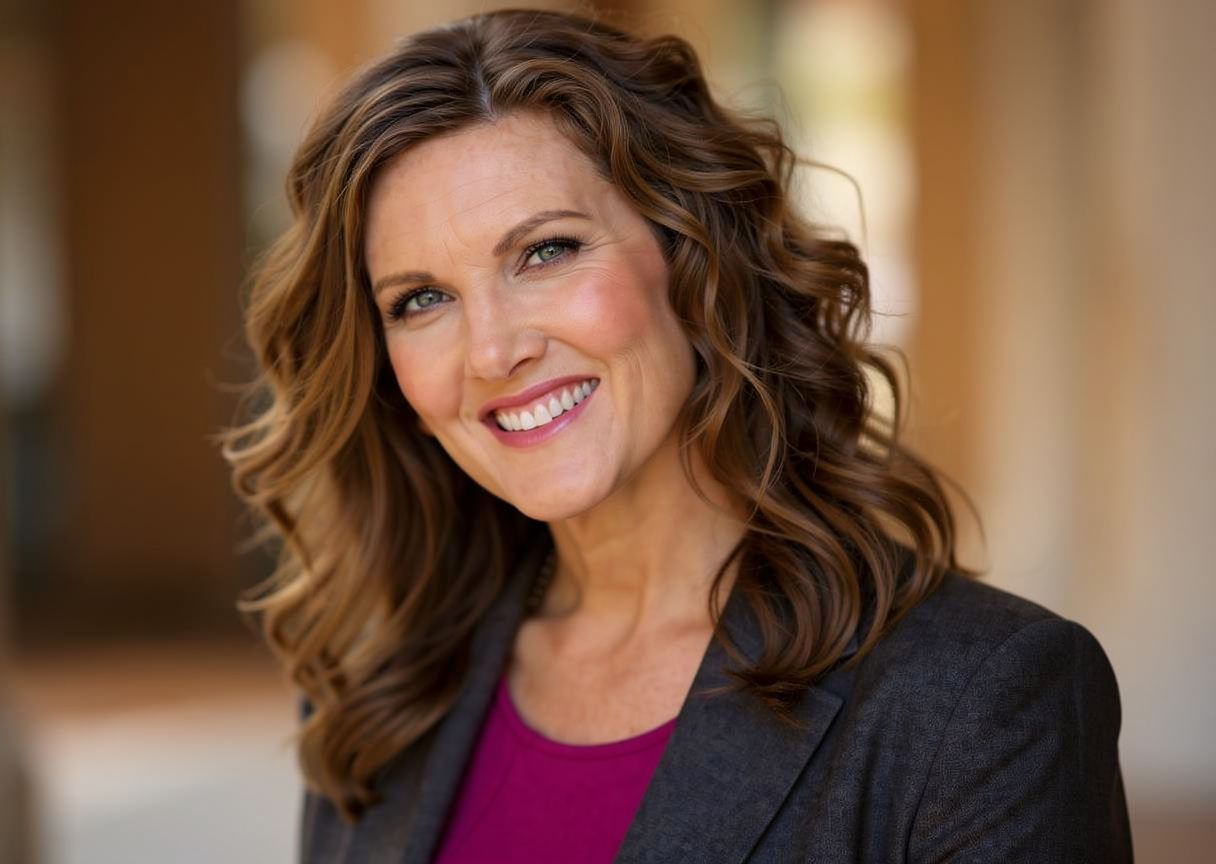
Janae Cox, PMHNP
Janae is a board-certified psychiatric mental health nurse practitioner in Redlands, California. She treats ADHD, anxiety, depression, and bipolar disorder for patients across the state. More about Janae.
The content on this site is for educational and informational purposes only. It is not medical advice, and it does not create a provider-patient relationship. Nothing here is a substitute for diagnosis or treatment by a qualified health professional who knows your history. Never disregard professional advice or delay seeking it because of something you read here, and do not start, stop, or change any medication without speaking to your prescriber. If you are in crisis or experiencing a medical emergency, call 911 or dial 988 for the Suicide and Crisis Lifeline.