They look alike from the outside. Both make it hard to concentrate, hard to sit still, and hard to sleep. But they come from different places, and treating the wrong one rarely helps.
This is one of the most common questions I get, and for good reason. Someone comes in describing a mind that won’t settle, a to-do list they can’t get through, and a growing sense that something is wrong with them. That description fits both conditions equally well.
The overlap is real, and it is not a sign that anyone is being imprecise. Distinguishing the two takes a careful history, and sometimes the honest answer is that both are present.
Why they get confused
ADHD and anxiety share a surprising amount of surface territory:
- Difficulty concentrating. Both conditions make sustained focus hard.
- Restlessness. Both can leave you unable to sit comfortably through a meeting or a movie.
- Sleep problems. Both interfere with falling asleep.
- Irritability. Both shorten your fuse, often in ways that surprise the people around you.
- Feeling behind. Both produce the sense that you are working harder than everyone else for the same result.
Because the outward symptoms overlap so heavily, the distinction usually comes down to why the symptom is happening — not what the symptom is.
Four questions that help separate them
1. When did it start?
This is often the most useful question. ADHD is a neurodevelopmental condition, which means the pattern goes back to childhood even when nobody named it at the time. If you look back honestly at grade school, there is usually something there — report card comments about not applying yourself, homework that took three hours, a bedroom nobody could keep clean.
Anxiety disorders can begin at any point in life. If your concentration was fine until a specific stretch — a job change, a loss, a health scare, a period of sustained stress — that timeline points toward anxiety rather than ADHD.
2. What does your mind do when it wanders?
This one is subtle but revealing. In ADHD, attention tends to drift toward whatever is more interesting — a different task, a passing thought, something out the window. The content is often neutral or even pleasant.
In anxiety, attention gets pulled toward threat. You are not drifting so much as being hijacked, and the destination is usually a worry: something you said, something coming up, something that might go wrong.
3. What is the restlessness like?
ADHD restlessness often feels like excess energy that needs somewhere to go. It can be relieved by movement, and it is not necessarily unpleasant.
Anxiety restlessness usually carries dread with it. It is not energy looking for an outlet so much as a body braced for something bad.
4. What keeps you awake?
People with ADHD frequently describe a mind that will not power down — jumping between unrelated topics, planning, replaying songs, generating ideas. Interesting, but relentless.
Anxiety more often produces a narrower loop: the same worry, circled repeatedly, with escalating what-ifs.
A note on the overlap
None of these questions is decisive on its own, and plenty of people recognize themselves in both columns. That is not a failure of the framework — anxiety and ADHD co-occur frequently, and studies consistently find high rates of overlap between them. The goal of an evaluation is not to force a choice between two boxes, but to understand what is actually driving the symptoms.
Sometimes anxiety is downstream of ADHD
This is worth spelling out, because it changes the treatment order.
If you have spent twenty years missing deadlines, losing things, and bracing for the moment someone notices, anxiety is a reasonable response to that experience. The worry is not the root problem — it is what grew on top of the root problem.
In that situation, treating only the anxiety can help somewhat, but it tends to plateau. The underlying difficulty is still generating new reasons to worry every week. When the ADHD is addressed, the anxiety often eases considerably on its own.
The reverse also happens. Anxiety severe enough to occupy most of your working memory will absolutely look like an attention problem, and treating it can restore concentration without any ADHD-directed treatment at all.
Why the distinction matters
Getting this right is not academic. The treatments differ, and they can interact:
- Stimulant medications are effective for ADHD, but in some people they can increase anxiety or jitteriness. That does not rule them out, but it means the anxiety needs to be part of the conversation.
- Some anxiety medications can cause sedation or mental fog, which is unhelpful if an attention problem is the primary complaint.
- Non-stimulant ADHD options exist and are sometimes a better fit when anxiety is prominent.
- Sequencing matters. When both are present, which one gets treated first is a clinical judgment worth making deliberately rather than by default.
What an evaluation actually involves
There is no blood test or brain scan that settles this. A good evaluation is a detailed conversation, and it should cover:
- Your current symptoms and how they affect work, home, and relationships
- How far back the pattern goes — including school years
- Sleep, caffeine, alcohol, and any substances that affect attention or anxiety
- Medical contributors, including thyroid function and sleep disorders
- Family history, since both conditions run in families
- What you have already tried, and what happened
You should leave that visit understanding what was found and why — not just with a prescription and a follow-up date.
If you recognize yourself here
The most common thing I hear after an accurate diagnosis is not relief about the label. It is relief at no longer believing the problem was a character flaw.
Whether it turns out to be ADHD, anxiety, or both, all three are treatable. The first step is a conversation with someone who will take the time to ask the right questions.
Talk it through
We see patients in person in Redlands and by telehealth anywhere in California. Call 909-798-6200 and we’ll help you figure out whether an evaluation makes sense — and verify your insurance benefits before you commit to anything.
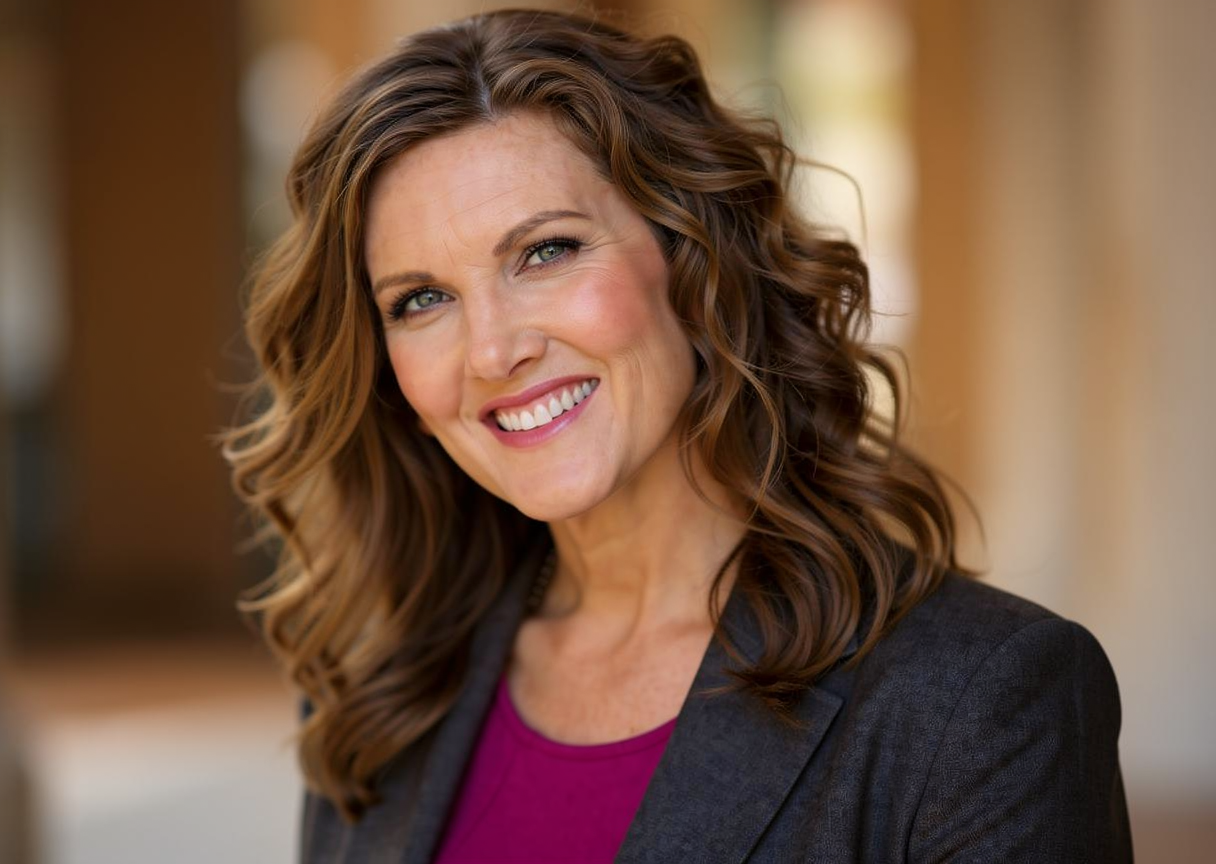
Janae Cox, PMHNP
Janae is a board-certified psychiatric mental health nurse practitioner in Redlands, California. She treats ADHD, anxiety, depression, and bipolar disorder for patients across the state. More about Janae.
This article is general information, not medical advice, and it can’t substitute for an evaluation of your particular situation. If you’re in crisis, call or text 988 to reach the Suicide & Crisis Lifeline.